Discover Calpe Old Town through a self-guided walking route connecting its historic walls, Torreó de la Peça, churches, museums, murals and colourful streets. The route includes the well-known Spanish flag steps on Calle Puchalt, Plaça dels Mariners and an optional viewpoint extension. Allow around 60–90 minutes for the main walk or longer if you plan to visit museums, stop for photographs or enjoy food in the historic centre.
Calpe is best known for its beaches and the Peñón de Ifach, but its historic centre reveals a very different side of the town.
The Old Town is a compact area of narrow streets, painted steps, defensive walls, churches, murals and small squares. It is easy to explore independently, although knowing the right walking order helps visitors avoid missing its most interesting details.
This self-guided route connects the main sights in a logical circuit. Allow approximately 60-90 minutes for the walk itself, or around two hours if you want to visit the museums, take photographs and stop for a drink.
Starting point: Plaza de la Constitución and Forat de la Mar
Finishing point: Calle Puchalt
Walking time: Approximately 60-90 minutes
With museum and food stops: Approximately two to three hours
Distance: A compact town-centre circuit
Difficulty: Easy to moderate, with slopes, steps and uneven surfaces
Cost: Free, excluding food and any individually charged exhibitions
Best time: Morning or late afternoon
Begin near Plaza de la Constitución, at the entrance to Calpe’s historic centre.
Close by is the Forat de la Mar, meaning “opening to the sea”. After the threat of pirate attacks had declined, openings were made through sections of the defensive enclosure, improving access between the old walled settlement and the surrounding neighbourhoods.
This is a useful place to understand the layout of the Old Town. Calpe was once much more enclosed than it appears today, with walls providing protection around the settlement.
From here, continue towards the Torreó de la Peça and the surviving sections of the historic walls.
Open Plaza de la Constitución in Google Maps
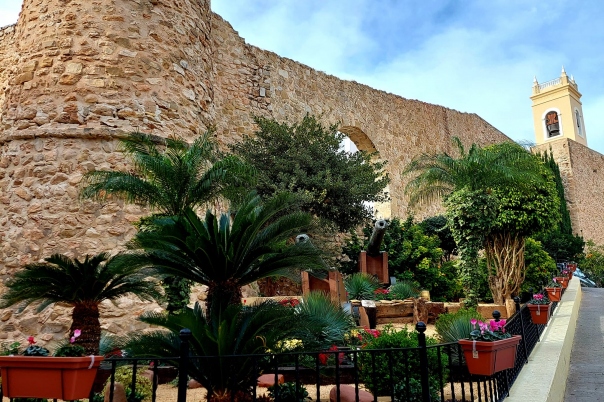
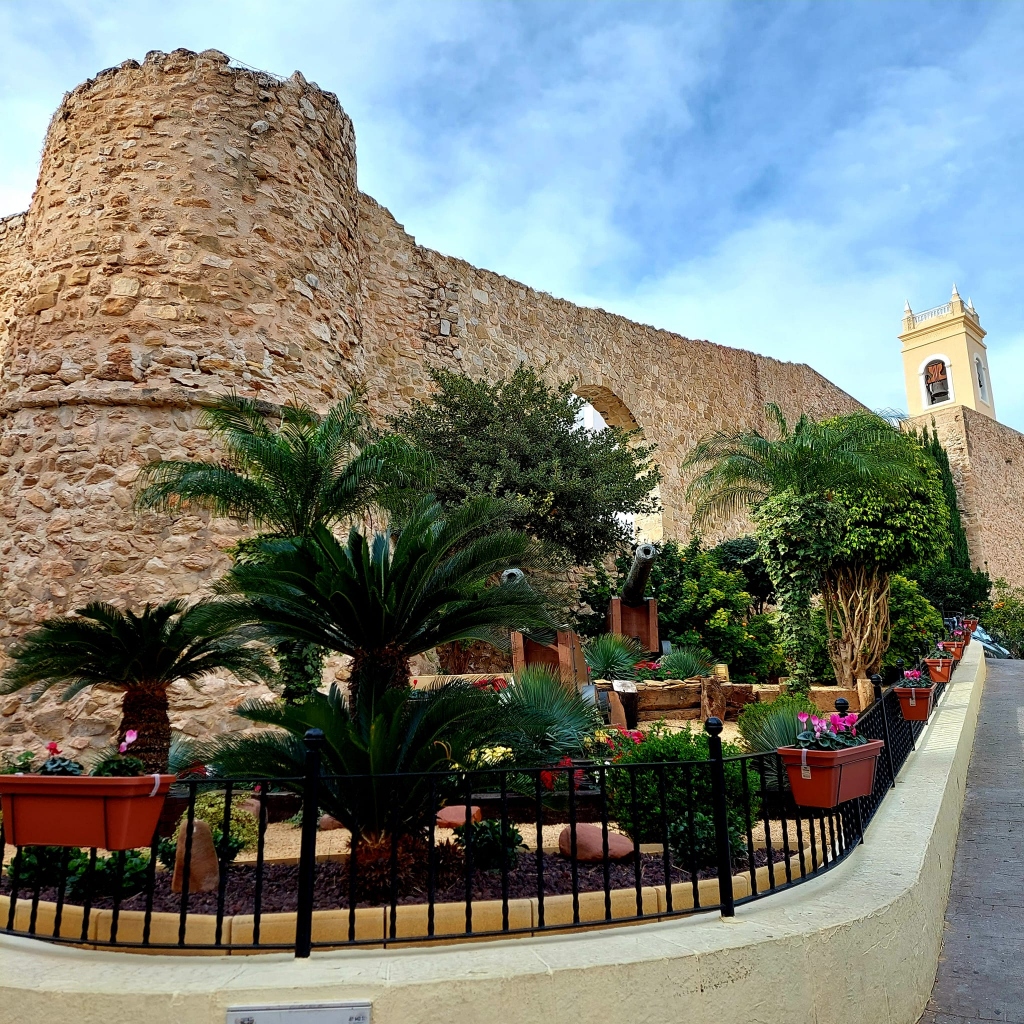
The Torreó de la Peça is one of the most important historical landmarks in Calpe Old Town.
The medieval settlement was fortified between the 13th and 14th centuries. Its defences were later developed and adapted as the town faced the threat of attacks from the coast.
The tower takes its name from the artillery piece - or peça - once associated with a former fortification. The structure visible today forms part of an atmospheric historic corner containing wall remains, stonework and old cannons.
This is one of the best places on the route to pause and appreciate the contrast between Calpe’s defensive past and its modern identity as a coastal resort.
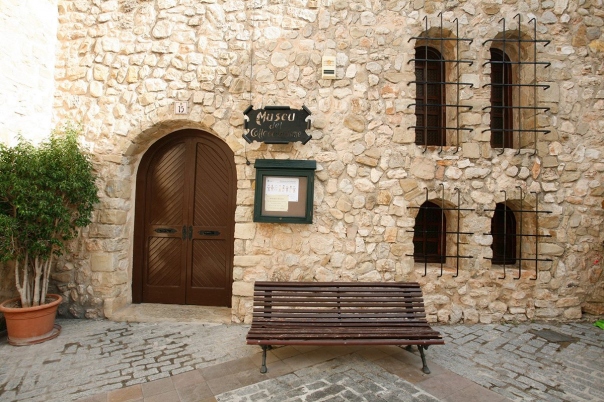
The Torreó also houses the Museo del Coleccionismo, although access depends on current opening hours and exhibitions.
Open Torreó de la Peça in Google Maps
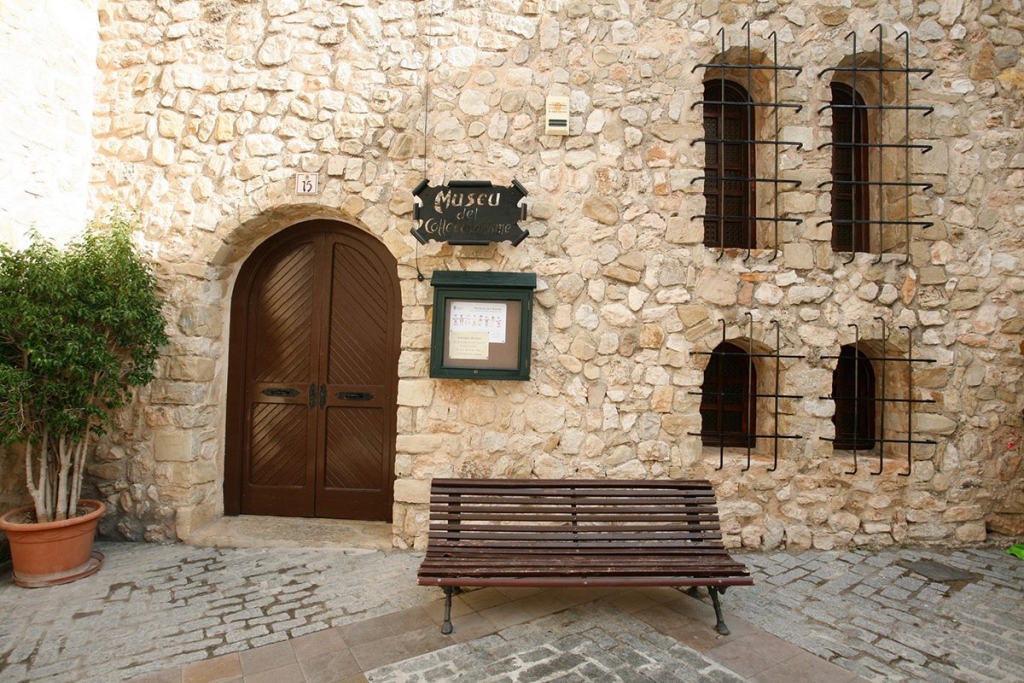
The Museo del Coleccionismo, or Collectors’ Museum, occupies part of the Torreó de la Peça.
Rather than displaying one permanent subject, the museum is used for temporary public and private collections. Exhibitions can therefore vary considerably between visits.
The museum is generally a short addition to the walking route rather than a major half-day attraction. If it is open, it provides an opportunity to step inside one of the Old Town’s most recognisable structures.
Opening arrangements may change between seasons and exhibitions. Check the current programme before travelling specifically to visit the museum.
Continue into Plaza de la Villa, one of the main spaces within the historic centre.
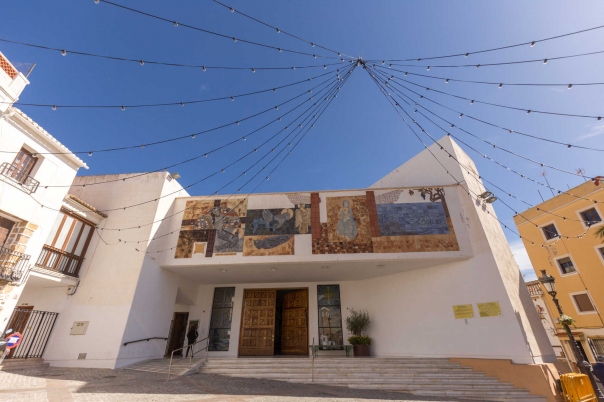
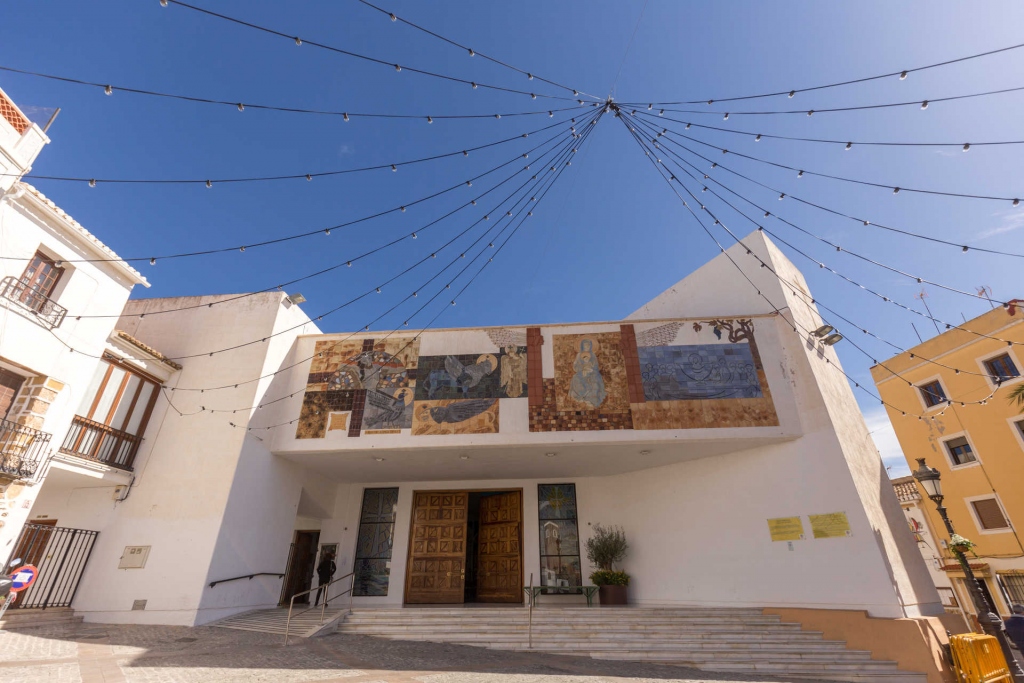
Here you will find two contrasting religious buildings: Calpe’s old fortified church and the modern parish church of Nuestra Señora de las Nieves, also known as Virgen de las Nieves.
The old church was constructed during the early 15th century over an earlier chapel associated with the Christian conquest. Its Gothic and Mudéjar features reflect its original dual purpose as both a religious building and part of the town’s defences.
The modern parish church was constructed beside it during the 1970s. Its appearance provides an interesting contrast with the older stone structure.
Look for the stained glass, mosaics and colourful decorative work. As these are active places of worship, access may be restricted during services, ceremonies and private events.
Open Nuestra Señora de las Nieves Church in Google Maps
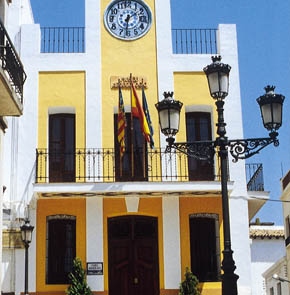
Near the historic entrance known as El Portalet is the Ajuntament Vell, or Old Town Hall.
The building now serves as an exhibition space associated with contemporary art and local cultural activity. Its position is historically significant because it stands near the former gateway into the walled town.
Even when the gallery is closed, the surrounding streets and exterior are worth including in the walk. Look carefully at the junctions and changes in street level, which provide clues to the Old Town’s earlier layout.
Exhibition times vary, so check the current cultural programme if you want to go inside.
One of the Old Town’s important public artworks is the mosaic by Alicante artist and muralist Gastón Castelló.
The work is an allegory of Calpe, bringing together references to fishing, agriculture, the Peñón de Ifach and the people of the town.
It is worth viewing slowly rather than treating it simply as a colourful backdrop. The individual scenes reflect the industries, landscape and communities that shaped Calpe before mass tourism transformed the coastline.
Calpe’s mosaics and murals help connect its historical buildings with more recent artistic interpretations of local identity.
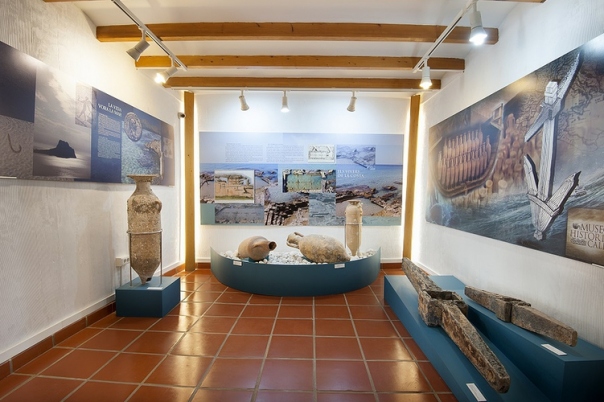
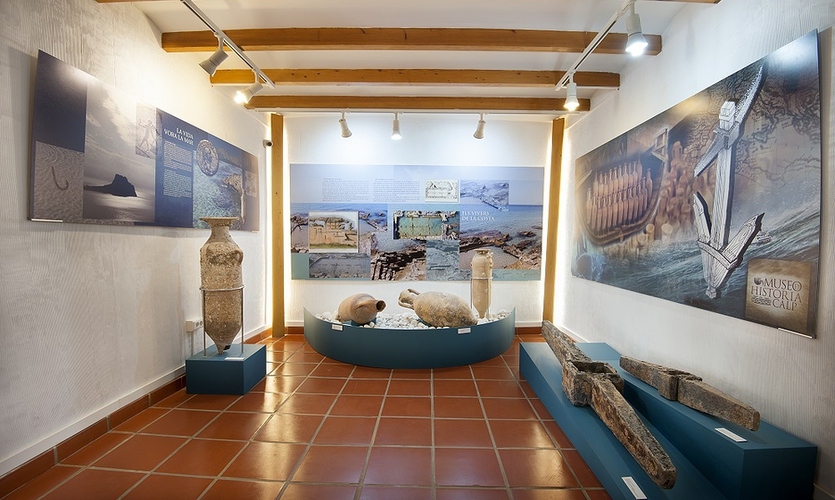
Continue to the Museo de Historia de Calp, located within part of the building known as the Casa de la Senyoreta.
The museum explores the history and archaeology of Calpe. Its displays have included material connected with important local sites such as the Roman Baños de la Reina and the medieval settlement of Pobla d’Ifac.
It is a useful stop for visitors who want to understand the wider story behind the places they may see elsewhere in Calpe.
Opening hours can be limited and may change seasonally. Treat the museum as an optional addition to the route unless you have confirmed that it will be open.
Open Museo de Historia de Calp in Google Maps
From the museum area, continue through streets including Calle San Roque and Calle Pescadores.
These streets formed part of the arrabal, the neighbourhood that developed outside the original fortified enclosure. Along with Calle Puchalt, they are among the most picturesque streets identified on Calpe’s official Old Town route.
This part of the walk is less about one major landmark and more about noticing the smaller details:
Please remember that these are residential streets rather than a purpose-built attraction. Avoid blocking doorways or photographing directly into homes.
The next stop is Plaça dels Mariners, a square commemorating Calpe’s seafaring roots.
Its name refers to the former Portal de la Mar, an access point that residents once used when travelling between their homes and the sea.
The square provides an opportunity to consider how closely Calpe’s history was connected to fishing and maritime life. Long before the town developed into an international visitor destination, its relationship with the coast shaped local work, food and identity.
Murals and decorative details around this part of the Old Town continue the maritime theme.
Open Plaça dels Mariners in Google Maps
Murals are now an important part of the visual character of Calpe Old Town.
They should not all be mistaken for ancient features. Many are contemporary artworks that interpret local history, traditions and community life.
Subjects include fishing, traditional Calpe scenes, local celebrations and the town’s Moors and Christians festivities. The murals turn ordinary walls and streets into an informal outdoor gallery.
Some works may be restored, replaced or temporarily obscured, so the exact appearance of the route can change.
Visitors interested in the traditions shown in the artwork can also explore the Calpe fiesta calendar.
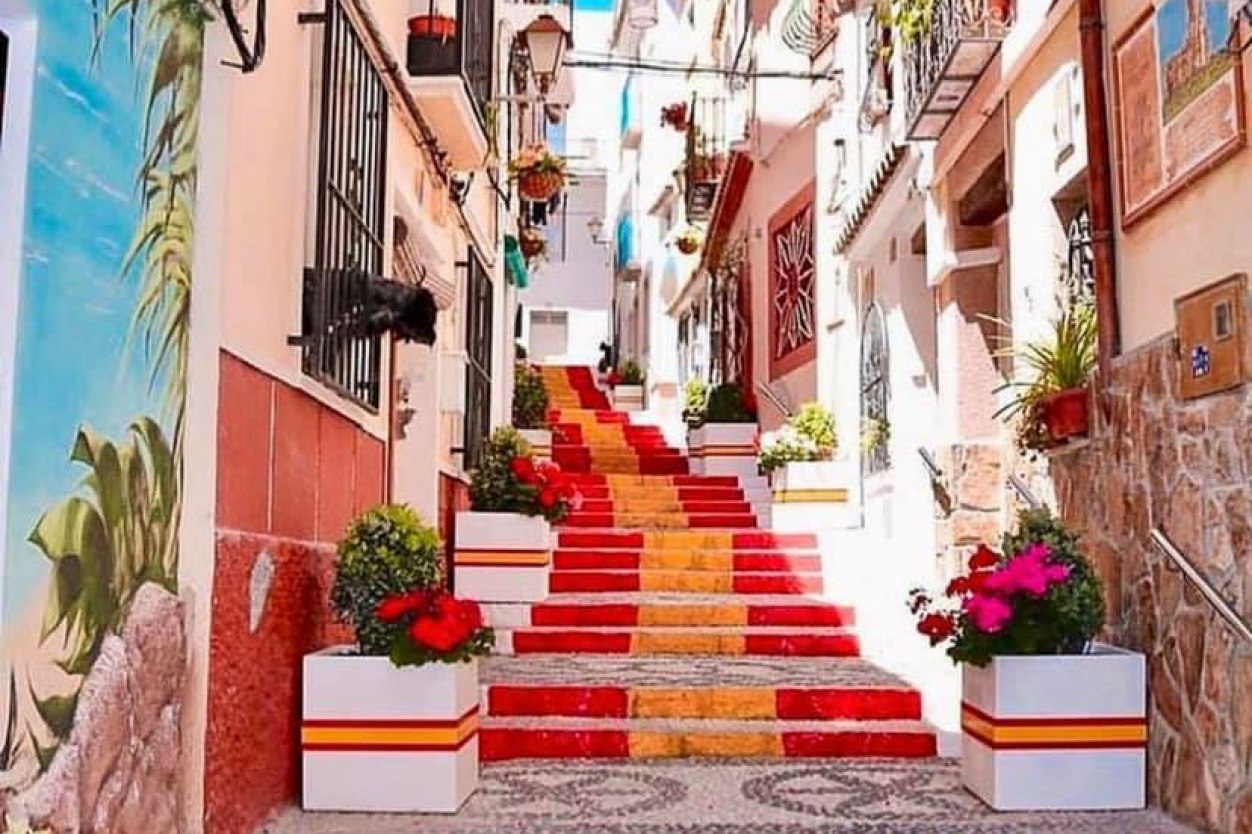
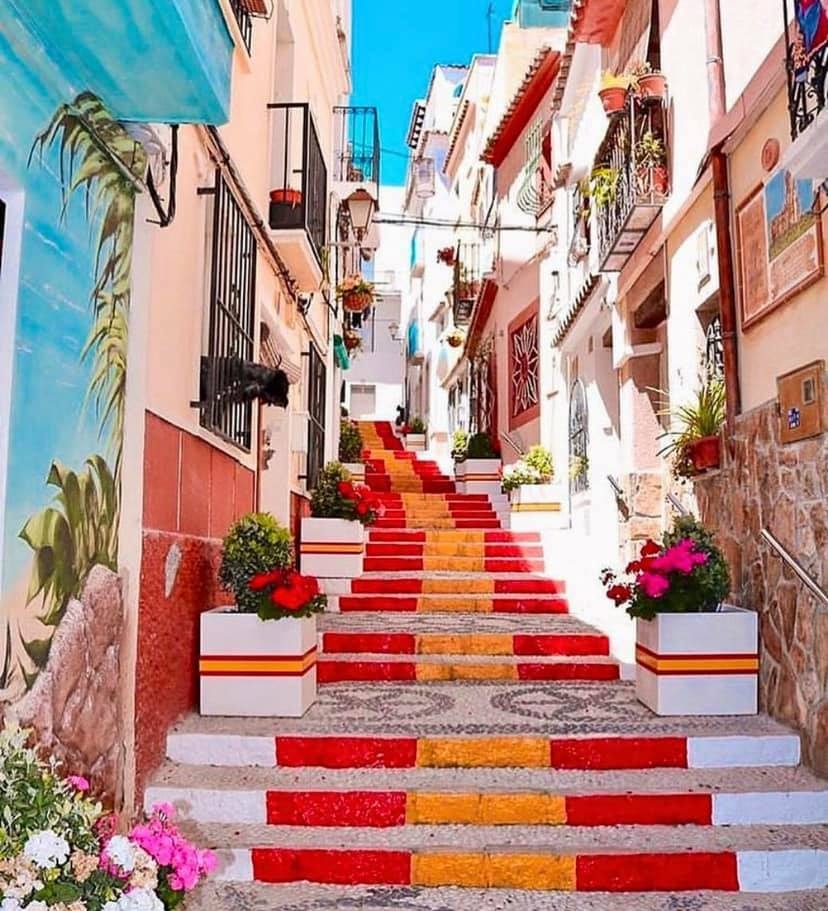
Finish the main route at Calle Puchalt, one of the most photographed streets in Calpe Old Town.
Its steps are painted in the red and yellow colours of the Spanish flag, creating a distinctive route between different levels of the historic centre. Whitewashed walls, plants and colourful details add to its appearance.
The painted steps are a modern decorative feature rather than an ancient monument, but they have become one of the Old Town’s most recognisable sights.
The street is narrow and residential. Leave space for people entering their homes and avoid arranging long photographs that prevent others from using the steps.
Open Calle Puchalt in Google Maps
Visitors who have more time can extend the route towards the Ermita de San Salvador.
The hermitage stands on higher ground above part of the town and provides elevated views towards Calpe, the coastline and the Peñón de Ifach.
This extension involves a steeper climb and will add approximately 20–30 minutes, depending on your pace and how long you remain at the viewpoint.
It may not be suitable for every visitor during the hottest part of a summer day. Take water and consider saving it for the morning or late afternoon.
Open Ermita de San Salvador in Google Maps
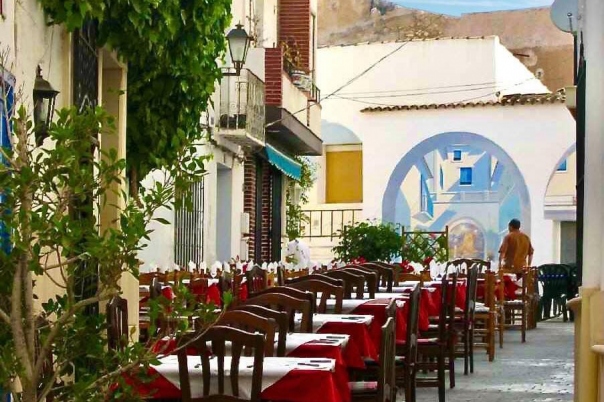
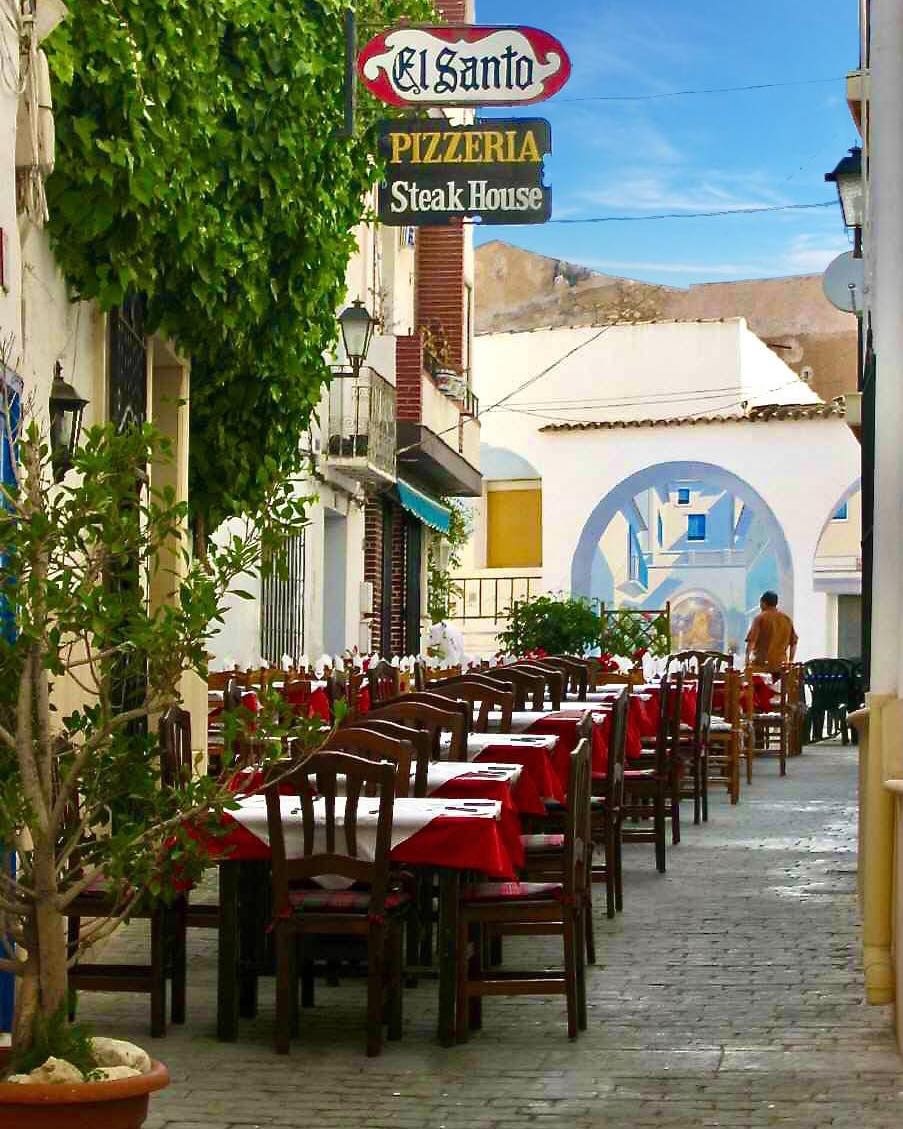
Calpe Old Town contains restaurants, tapas venues, cafés and terraces, particularly around its small squares and established dining streets.
Rather than relying on one recommendation, browse the Calpe restaurant guide and check the venue’s current menu, opening hours and reservation arrangements before visiting.
Visitors looking specifically for local food can also explore Calpe Online 24’s guide to Spanish, paella and tapas restaurants.
Parking within the historic streets is limited, and some roads are narrow or restricted. It is usually easier to park around the edge of the Old Town and complete the final part of the journey on foot.
Begin looking around Avenida del Norte, Avenida Masnou and the wider streets below the historic centre. Always check signs, coloured road markings and temporary restrictions.
Saturday visitors should be especially careful because the Calle Petit parking area is used for part of Calpe Saturday Market.
Our complete parking guide for Calpe includes further information about the Old Town, regulated zones and seasonal conditions.
The Old Town’s historic layout means that a complete step-free route is difficult.
Visitors will encounter:
Calle Puchalt and some of the smaller streets may not be suitable for wheelchairs or people who find steps difficult.
A shorter visit focusing on Plaza de la Villa, the Torreó de la Peça and the more accessible surrounding streets may be more practical. Conditions can change depending on roadworks, events and temporary closures, so ask the tourist office for current advice where accessibility is essential.
The Old Town becomes especially atmospheric during local fiestas, but processions and celebrations can also result in road closures, crowds and changes to normal access.
The Moors and Christians festivities are particularly connected to Calpe’s historic identity and feature prominently in some of the area’s murals.
Before visiting during a major celebration, check the Calpe fiesta calendar and allow additional time for parking.
Calpe Tourism has produced an official multilingual map showing the Old Town route and its principal landmarks.
Download the official Calpe Old Town route and map.
Because this map was published some time ago, confirm museum opening hours and temporary access arrangements separately.
Please complete this form to request more information.



 Spanish
 Chinese (simplified)
 Dutch
Dutch French
 German
 Italian
 Norwegian
 Polish
 Romanian
 Russian