Buying property in Spain? Understand individual, joint and company ownership, and why deciding who goes on the deeds matters before signing a deposit contract.
23rd September 2026

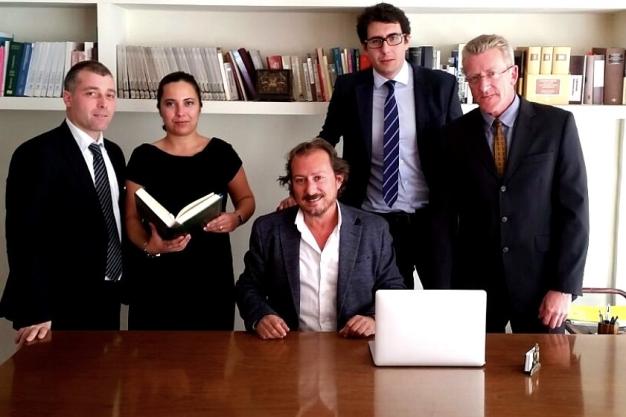
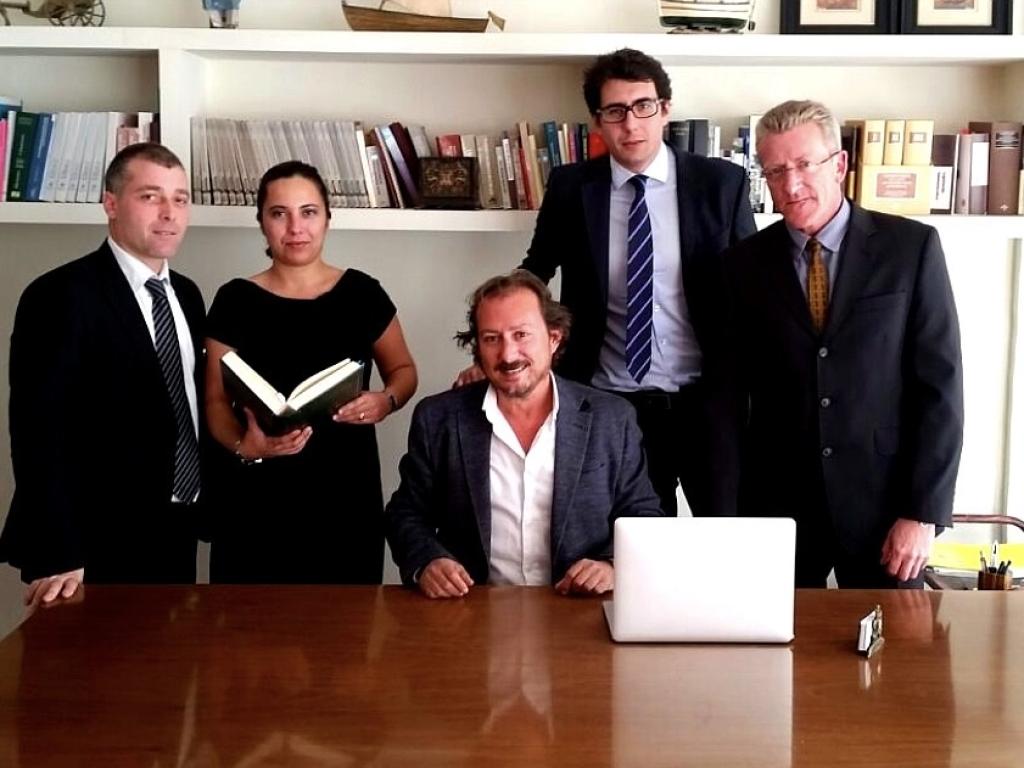
Article from Tomas Ballestero Lawyers, Javea
Tomas Ballestero Lawyers has been advising international buyers and sellers in Spain for over 30 years, from its office in Jávea.
Tel +34 965 79 29 46 · info@lawyerssoliciorsjavea.com · Tomas Ballestero Lawyers
Whose name does the property go into? Company, joint ownership or spouses — and why it is decided before the deposit contract
Buyers tend to treat this as an administrative detail to be settled at the notary. It is not. It is one of the few decisions in a purchase that is expensive to change afterwards, and it is usually taken in a hurry, at the worst possible moment.
In your own name. The simplest. If you are buying alone it needs no thought. If two or more of you are buying, you must also decide the shares — equal, or in proportion to what each of you contributes. That proportion has consequences later, and it goes into the deed.
As a married couple. What you own, and in what proportion, may be determined by the matrimonial property regime you married under — which, for most foreign buyers, is not the Spanish one. It affects what each of you owns, what happens on a divorce and what happens on a death. Buyers routinely assume their home regime applies automatically. That is an assumption worth checking rather than making.
Jointly with children or other family. Often done with succession in mind. It works, but it creates co-owners, and co-owners have rights: from that moment none of you can sell or mortgage alone.
Through a company, Spanish or foreign. It can make sense in larger transactions, where the property will be let, where there are several investors, or where the purchase forms part of a wider structure. It also brings continuing obligations — accounts, filings, and its own tax treatment both for the company and for its shareholders. It is not automatically an advantage, and it is not a decision to take because it was recommended over dinner.
Why it has to be decided before the deposit contract
The contrato de arras names the buyer. If the buyer named there is you personally, and the deed is then granted in favour of your company, your spouse or your children, the transaction no longer matches the contract. Depending on how it is handled that can mean renegotiating with the seller, redrafting, or — at worst — the operation being treated as two transactions rather than one, with the tax consequences of two.
There is a practical point as well. Everyone who appears on the deed needs a NIE, the Spanish foreigner's identification number. If you decide at the last minute to add your son to the purchase and he does not have one, the signing date moves.
Each of these options carries its own tax treatment, both on the purchase itself and for every year you hold the property. That should be assessed against your own circumstances before you commit, not afterwards.
A typical situation on this coast. A villa at around €1,200,000. The deposit contract is signed quickly, to secure the property, in the buyer's personal name. Three weeks later his adviser at home suggests the purchase would be better held through a company, and one of his children should be on the title as well. The seller now has a contract with one buyer and is being asked to complete with another; the child has no NIE; and the change, depending on how it is documented, may not be a change at all but a second transaction. One conversation before the deposit contract would have cost nothing.
The right moment for this conversation is at the beginning, when you instruct a lawyer, alongside the questions about the property itself. It takes one meeting. Left until later, it takes money.
Article from Tomas Ballestero Lawyers, Javea
Tomas Ballestero Lawyers has been advising international buyers and sellers in Spain for over 30 years, from its office in Jávea.
Tel +34 965 79 29 46 · info@lawyerssoliciorsjavea.com · Tomas Ballestero Lawyers
This article is general information on Spanish law and does not constitute legal advice. Every case depends on its own circumstances. Take advice on yours before signing anything.
CostaBlanca24 Sponsors



Featured Businesses
Costa Blanca Property Guide: Legal Advice on Emigration
What legalities do you need to think about when...
Removal Services on the Costa Blanca

Find removal companies on the Costa Blanca that...
Casas Ambiente Moraira - Real Estate Agent

Casas Ambiente Moraira is one of Moraira's oldest...
Blanca International Moraira - Estate Agent & Properties for Sale

Blanca International Moraira are Real Estate...
Bemax Javea - Estate Agency

Bemax Javea are an estate agency in Javea offering...
DISCOVER A New Complete Guide for Buying & Selling Property in Moraira

Discover PropertyInvestmentSpain.com - your...
Hamiltons of London - Jalon Estate Agent

HAMILTONS of LONDON Moraira are English Estate...
Way2Go Hire - Self Drive One Way Van Hire - Costa Blanca Spain

Way2Go Hire provides self-drive, one way van hire...
FRANCHISE OPPORTUNITY - Manage your own Estate Agency on the Costa Blanca

Have You Ever Considered A Career In Property? If...
Watkins Wilson Moraira

Watkins Wilson, established in 2006, is one of the...


 Spanish
 Chinese (simplified)
 Dutch
Dutch French
 German
 Italian
 Norwegian
 Polish
 Romanian
 Russian