Find details of Local Attractions and Places to Visit in Calpe - Costa Blanca, Spain.
Find attractions including Museums, Historic Towns & Walking Routes.

The Salinas - Salt Flats are an interesting spot close to the Penon de Ifach. The Salinas de Calpe offer a unique natural environment that attracts various bird species including flamingos, especially during migration seasons, making it a good spot for birdwatching. Las Salinas de Calpe offers a special blend of natural beauty & wildlife making it a must-visit spot for anyone traveling to Calpe.
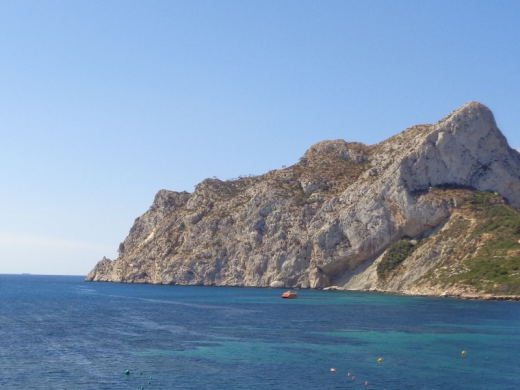
Visit this page for details of how to book your visit to The Peñon d'Ifach / Calpe Rock - one of the most famous sights along the Costa Blanca coastline and also a protected Natural Park. If you are looking to climb Calpe Rock, you need to book an appointment on the official website.
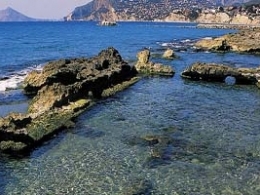
Although known as the Queen's Baths, this feature of the history of Calpe was in fact an ancient fish farm. Enjoy a complex of pools built in the 4th century with natural access to the sea - they were used for farming fish for consumption by the local people of Calpe.
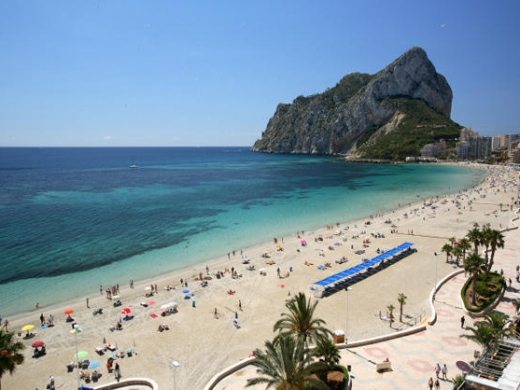
La Fossa, also known as Levante Beach, is one of Calpe’s principal sandy beaches. Located north of the Peñón de Ifach, it combines fine golden sand and generally calm water with an accessible seafront promenade lined by restaurants, cafés, shops and accommodation. This guide covers its facilities, seasonal lifeguards, assisted bathing, parking, public transport and what to expect during summer.
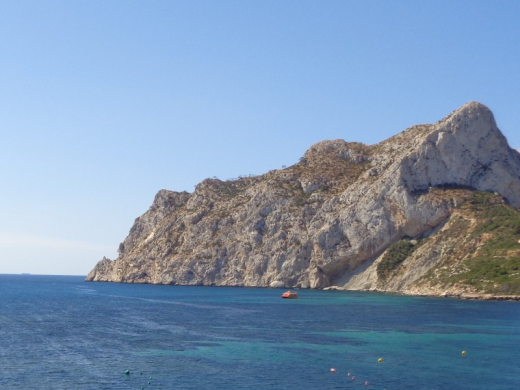
Climbing the Peñón de Ifach requires a free individual reservation for the official Red Route. The walk begins relatively gently, but conditions change after the tunnel, where polished rock, steep sections and exposed paths make the route considerably more difficult. This practical guide explains how to reserve, what footwear to wear, rules for children and dogs, parking, weather warnings and easier alternatives if the summit route is unsuitable or fully booked.
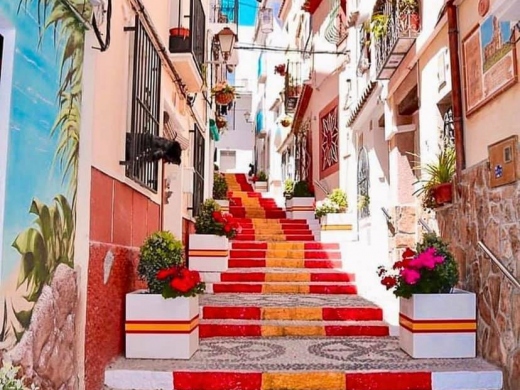
Discover Calpe Old Town through a self-guided walking route connecting its historic walls, Torreó de la Peça, churches, museums, murals and colourful streets. The route includes the well-known Spanish flag steps on Calle Puchalt, Plaça dels Mariners and an optional viewpoint extension. Allow around 60–90 minutes for the main walk or longer if you plan to visit museums, stop for photographs or enjoy food in the historic centre.
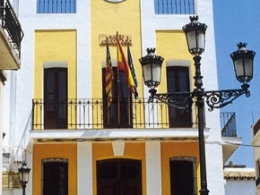
Calpe's History & Archaelogical museum is located in Calle Santísimo Cristo nº 7, in the part of the building known as "Casa de la Senyoreta".
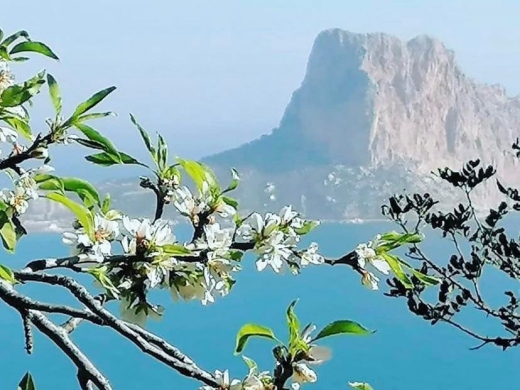
Located at the southern end of Calpe, Mirador Monte Toix will reward you with breathtaking views of of Cumbre del Sol, Calpe, Altea, Benidorm, and even Ibiza on clear days.

Cap de la Nau (or Cabo de la Nao) literally means 'Cape of the Ship' in Spanish. It is a headland located in the southernmost point of Javea municipality.
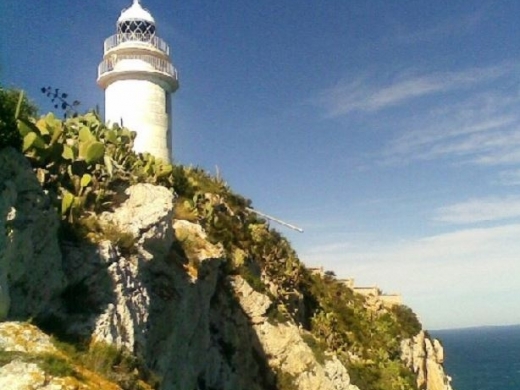
The Cape San Antonio is a breathtaking headland between Montgó mountain and the sea which was declared a nature reserve in 1993.
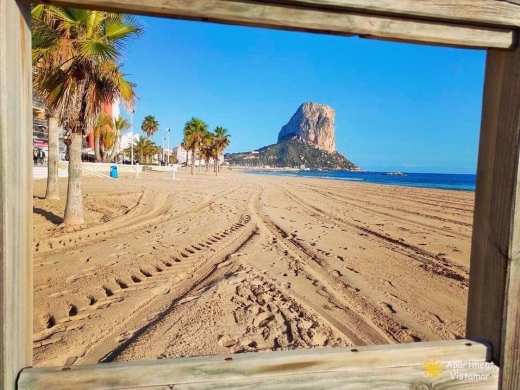
Complete with gorgeous sand and rolling waves, Calpe's 1.5km Promenade is the perfect place to go on a stroll. There are plenty of bars and restaurants along the panoramic seafront, and the iconic Peñon d'Ifach makes for a beautiful backdrop.

Hiking to the top of the Peñón de Ifach is an unforgettable experience that combines physical challenge with the beauty of nature. The views from the summit are spectacular and well worth the effort. Whether you’re a seasoned hiker or a casual walker, this hike offers a unique perspective on the stunning landscape of Calpe and its coastline.
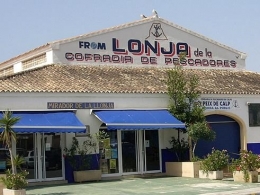
The fish auction is one of the most popular and most visited of Calpe’s activities.
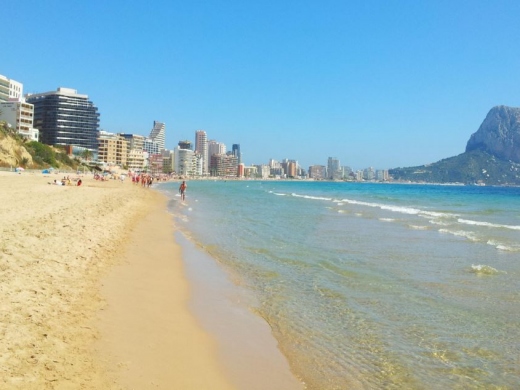
Arenal-Bol is Calpe’s central sandy beach, offering calm Mediterranean water, a long seafront promenade and convenient access to restaurants, cafés, shops and accommodation. This practical guide covers its seasonal lifeguard service, accessible bathing point, toilets, footwashing stations, parking, public transport and what families should know before visiting during the busy summer season.
14 results found



 Spanish
 Chinese (simplified)
 Dutch
 French
 German
 Italian
 Norwegian
 Polish
 Romanian
 Russian